
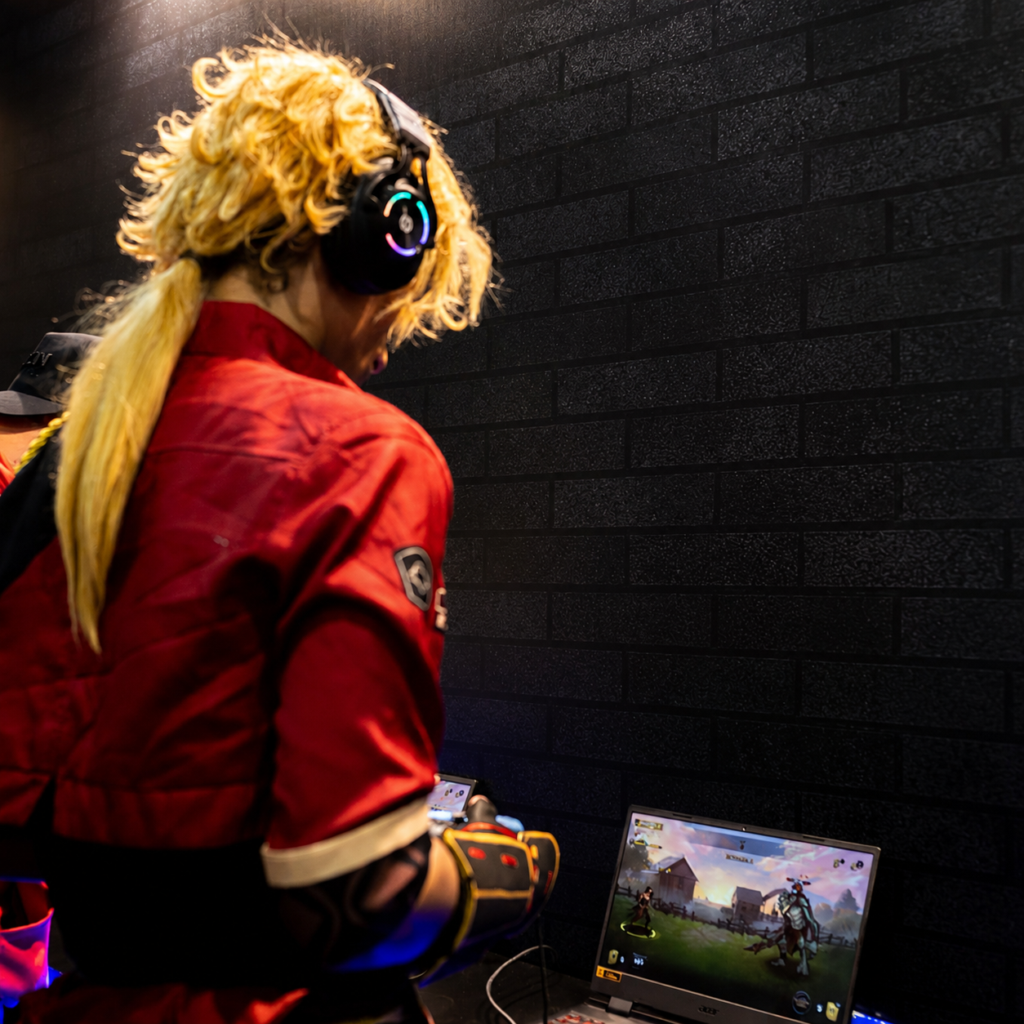
Anime Expo. Comic-Con. Offkai. Any convention season means thousands of attendees walking the floor as Frieren, Mao Mao, Spider-Man or even their favorite VTubers such as Calliope Mori or Ironmouse. Cosplay is one of the most visible and beloved parts of fan culture and has been widely accepted by every party in the industry. Brand owners generally understand that tolerating it is good for their fandoms and their brands, and it is rare for there to ever be a legal issue with cosplay.
But “rare” is not “never,” and the legal risk for a cosplayer increases once cosplay turns into a commercial enterprise.
Ownership of Characters and Logos
Most cosplayers understand that brands own the copyright in the characters that cosplayers emulate. Copyright gives the rights holder control over reproduction, derivative works and public display of the character. Separate from copyright, trademark grants control over the use of a brand’s name, logo and identifying marks in a way that could confuse consumers about source, sponsorship, endorsement or affiliation. Brand owners have a right to enforce their rights against people who use their copyrights and trademarks without authorization. However, as a practical matter, brand owners rarely exercise these rights against individual fans, because most brand owners view fan cosplay as free marketing and community goodwill rather than a threat. In fact, many brand owners go out of their way to work with cosplayers to collaborate on marketing and events.
Furthermore, there is always the chance that cosplay could be considered “fair use.” Courts typically weigh four factors when deciding fair use:
- Purpose and character of the use: whether the new work is transformative (adding new meaning or expression) or primarily a substitute for the original.
- Nature of the copyrighted work: whether the underlying work is creative and fictional (which receives stronger protection) or more factual.
- Amount and substantiality: how much of the original work was taken, and whether the “heart” of the work was used.
- Effect on the market: whether the new work competes with or harms the market for the original.
In the case of cosplay for personal use, the effect on the market is extremely low, and there is a significant amount of creativity involved in making the new work transformative. Brand owners have largely recognized this and have chosen not to pursue claims. However, in cases where cosplay is commercial, disparaging, or causes confusion about who is behind it, the risk of enforcement action from brand owners increases.
Tarnishing the Brand
While brand owners are unlikely to initiate legal action against individual cosplayers, they have done so against groups or companies that use their intellectual property for commercial purposes. In Disney Enterprises, Inc. v. Sarelli, 322 F. Supp. 3d 413, the defendant ran “Characters for Hire,” a business that sent costumed performers dressed as recognizable Disney and Marvel characters to birthday parties and events for a fee. Disney and Marvel sued for copyright and trademark infringement.
The court found no trademark confusion, since the defendant’s use of aliases for the portrayed characters, event disclaimers and other factors made clear that the business was not associated with Disney or Marvel. However, the court found a genuine issue of material fact as to whether the defendant’s use of the plaintiffs’ marks tarnished those marks. The court explained that “dilution by tarnishment arises when the plaintiffs’ trademark is linked to products of shoddy quality, or is portrayed in an unwholesome or unsavory context likely to evoke unflattering thoughts about the owner’s product,” and that “if defendants’ character-for-hire services are of poor quality, a jury could reasonably find that plaintiffs’ marks might suffer from the negative association.”
In recent events, Dunkin Donuts allegedly initiated some legal action against Rufflebutt, a cosplayer known for her cosplay of “Donut Miku,” a cross of the popular Vocaloid Hatsune Miku with Dunkin Donuts. There is little to no public information available at the moment about the nature of the legal action, what legal basis Dunkin Donuts is claiming, or whether Rufflebutt used Dunkin Donuts’ marks and logos commercially. However, this situation demonstrates that brand owners may initiate a legal action when they feel that use of their brand tarnishes their reputation rather than promoting it.
Where the Actual Risk Sits Today
Pulling these threads together, a few key points emerge for cosplayers to keep in mind:
- Personal, non-commercial cosplay at a convention carries essentially no meaningful legal risk. Brand owners do not go after individual fans for making and wearing their own costume for personal enjoyment.
- Commercial use, such as creating and selling costumes, selling prints, running a paid photo booth, using a character’s name for SEO or marketing, or making paid appearances as specific characters, increases the risk that a brand owner will bring a legal action.
- Using a brand’s trademarks, logos, or characters in a way that commercializes the brand, disparages it, or implies an association with the brand that does not exist goes beyond fair use.
The Practical Takeaway
As cosplay continues to grow, and cosplayers become known as public figures who receive commercial deals, it becomes more important for them to know how to protect themselves. Commercial deals asking a cosplayer to dress as a character from one brand while promoting an unrelated business can bring significant legal risk. A cosplayer should ask for certain guarantees and protections from companies that hire them for promotional purposes, event appearances and content creation. For example, a cosplayer may want the hiring company to shoulder the cost of any potential legal claim if the company insists on the cosplayer dressing as a specific character.
Incorporating a company’s trademarks into cosplay in a way that potentially tarnishes the brand can result in actual legal action. When engaging in cosplay as not just a hobby but as a business, it becomes important to understand where the lines of fair use fall and what steps to take to lower risk. For example, incorporating a brand into a cosplay as a parody but using the brand’s logo without modification increases the risk of legal action. By understanding fair use, a cosplayer can lower that risk by modifying the logo so that it becomes part of the parody itself.
As cosplay continues to evolve from a fan hobby into a professional career for many creators, understanding the legal considerations becomes increasingly important. Whether you are accepting sponsorships, making convention appearances, selling cosplay-related products, or collaborating with brands, taking the time to understand the intellectual property issues involved can help you make more informed decisions and reduce unnecessary legal risk.
View all posts by this author