
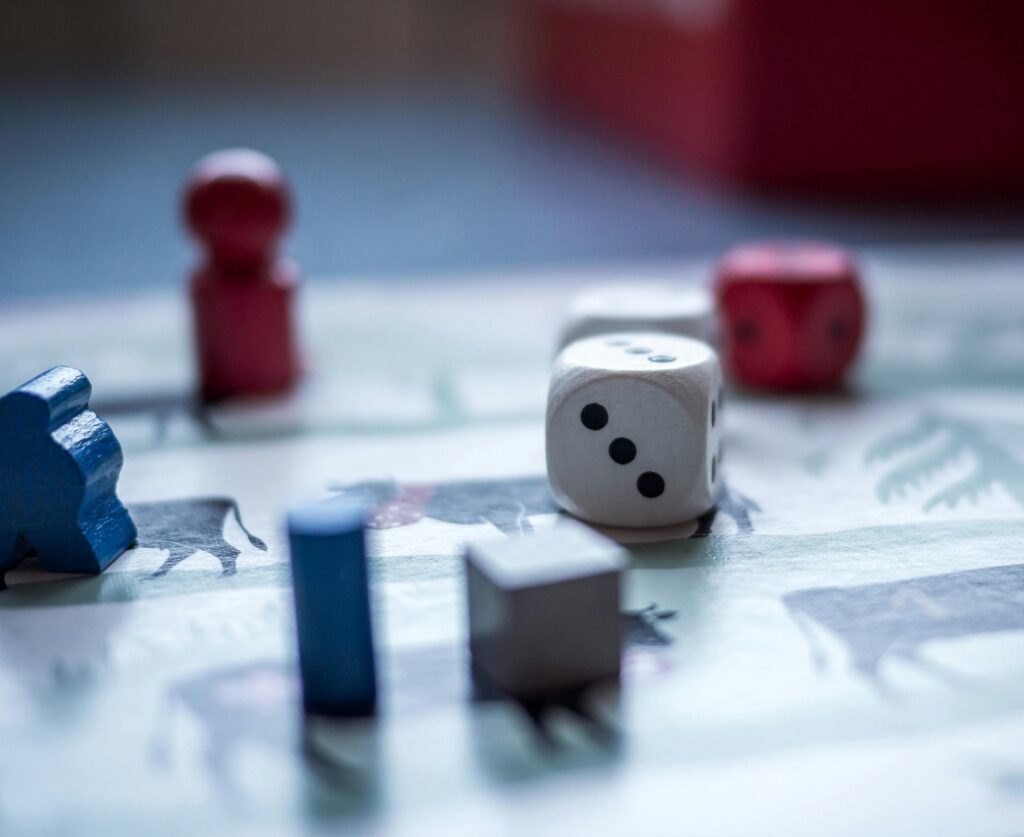
A lot goes into creating and selling a physical product. The product and packaging has to be designed. Then the product needs to be manufactured (and maybe marketed). Finally, the product needs to be shipped and distributed to customers. Sometimes, a third-party merchandise company will handle the process. Other times, a developer or creator (who we’ll just call Creators) might engage directly with a manufacturer who will then ship the final products to the developer or creator who will in turn ship directly to customers. As one can imagine, the process has various potential pitfalls.
Creators dealing with physical products- tabletop game designers, video game developers creating physical editions of their games, and content creators selling merchandise- should be aware of the potential pitfalls when it comes to product liability, sanctions, and their own reputation.
In this blog post, we will run through some issues that Creators should be aware of and what precautions they can take.
Common Risks
Reputation Damage. One of the most common issues that Creators might face when creating and selling physical products isn’t necessarily legal liability—it’s reputational damage. Substandard quality, delays, or manufacturing processes that are seen as unethical can erode goodwill among fans and customers.
Product Liability. Beyond reputational damage, certain defects can lead to product liability. Three types of cases generally appear: design defects, manufacturing defects, and warning defects.
- Design defects occur if the design of the product is inherently dangerous. For example, board game pieces that are unusually sharp or children’s toys containing toxic substances that could be consumed.
- Manufacturing defect occurs if an error during the production of a product makes it unsafe despite the normally safe design. Examples of this include miniatures or figures that are normally trimmed and sanded but an oversight leaves some units with exposed sharp edges.
- Finally, a warning defect is when a product has insufficient instructions or warnings about non-obvious risks and dangers. For example, if a product has LED lights that can become hot but there are no warnings about overheating or ventilation.
These defects may lead to plaintiffs bringing legal actions, including class action lawsuits, against Creators.
Sanctions. If the manufacturing or distribution of products involves any countries sanctioned by the U.S. Office of Foreign Asset Control, there can be severe financial and even criminal liabilities. For example, in 2019, makeup company e.l.f. Beauty was fined $1 million because it inadvertently imported false eyelash kits made by North Korea from Chinese suppliers. In this case, e.l.f. Beauty paid a relatively small settlement because they discovered the violation and self-reported. Furthermore, they had a higher duty of care because they were a large and sophisticated company. However, smaller, non-sophisticated companies—like many Creators—can still be liable if they negligently violate sanction laws. This could occur if a Creator uses a third-party manufacturer who sources materials from sanctioned countries or if a Creator works with a distributor that sells in sanctioned countries.
Safeguards
Creator can protect themselves against the risks mentioned above by implementing certain safeguards. The following is a non-exhaustive list of safeguards Creators might consider.
Require Manufacturers Provide Production Samples. Creators can require that the manufacturer or third-party merchandise company provide Creators with several production samples to test or appraise in person. Once the product is satisfactory, Creators should add a contractual representation that the final products will not deviate in design or quality from the sample. If the manufacturer violates that representation, then Creators are more likely to be able to bring a claim against the manufacturer.
Have Proper Representations, Warranties, and Indemnification Provisions. As mentioned in the previous point, Creators should consider adding contractual representations and warranties regarding product quality, safety, design, production timeline and other items of importance to them. To enforce these provisions, Creators should then include indemnification provisions that require the manufacturer to indemnify and defend the Creators against any product liability claims.
Have a Code of Conduct. Creators may want to have manufacturers comply with a specific code of conduct. If a Creator is mainly concerned with only a few items such as quality and safety, then having those items in the representations and warranties is sufficient. However, Creators may want a code of conduct to ensure that manufacturers are not engaging in unethical behavior, such as using underage or prison labor, not providing workers with health insurance, engaging in practices that are dangerous to the environment, etc.
Investigate Manufacturer’s Suppliers and Distributors. Creators should have provisions that prohibit working with sanctioned countries and parties. However, a contractual prohibition may not be enough to safeguard Creators from criminal liability. Accordingly, Creators should always do their own diligence and check to ensure that their partners are not engaging in behavior that could potentially violate sanctions.
Conclusion
The design, manufacture, and distribution of physical products introduce layers of legal and operational complexity that may not appear during early creative planning. Thoughtful contractual protections, supplier diligence, and clear quality controls can help creators manage these risks while protecting their reputation and intellectual property. When questions arise, Creators should not hesitate to reach out to legal professionals familiar with manufacturing agreements, product liability, and compliance frameworks that can help ensure that appropriate safeguards are in place.
View all posts by this author