Business

Why You May Not Want A Co-op, Even If You Think You Do

What is a Co-op, exactly? “Co-op” is shorthand for “workers’ cooperative”, meaning a business owned and democratically controlled by its workers. That usually amounts to shared profits, shared management, and in theory, improved work conditions by virtue of that representation at the management level. Practically speaking, a workers’ cooperative can be formed under various legal …

Why You May Not Want A Co-op, Even If You Think You Do Read More »

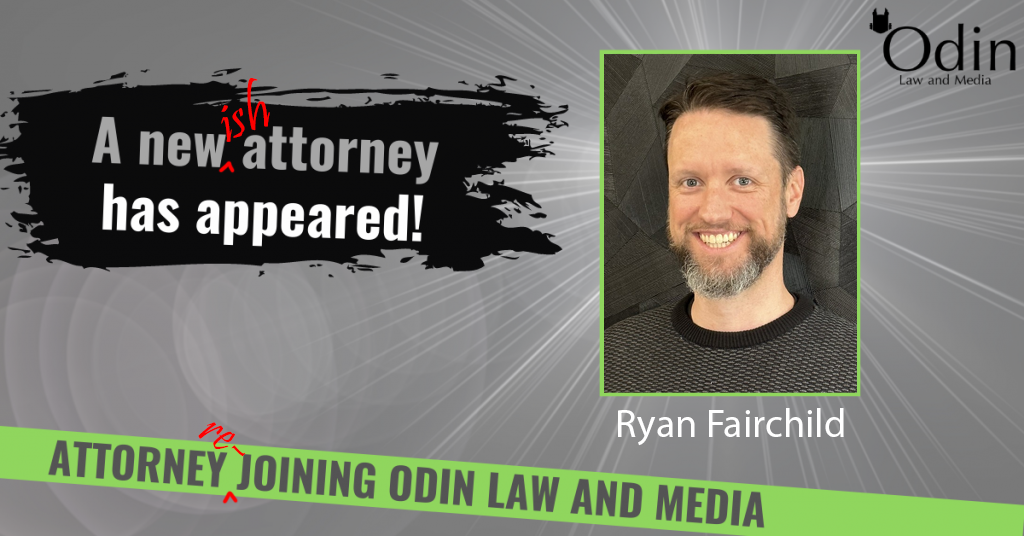
Announcement: Ryan Fairchild Rejoins Odin Team

Odin Law and Media is excited to welcome Ryan Fairchild back to the firm! Ryan Fairchild, Attorney Ryan’s practice focuses on video game developers and content creators. His passion for video games derives from being a lifelong gamer, and he understands the cultures and dynamics of the gaming and entertainment industries and communities. He also …

Announcement: Ryan Fairchild Rejoins Odin Team Read More »

When AI Clauses Become Boilerplate

A few years ago, contracts with artificial intelligence clauses felt novel. They appeared here and there in experimental projects, in creative projects where guarantees of “No AI” were desired, or in deals involving AI tools. Now, AI-related clauses are showing up routinely, even in agreements where AI is not the focus of the work at …

When AI Clauses Become Boilerplate Read More »

Legal Challenges and Industry Predictions for Games in 2026

As 2025 closes, the games industry enters another year shaped by shifting economics, rapid advances in technology, and a volatile political climate. Last Year: We Got Some Stuff Wrong, Some Right Last year’s predictions focused on structural pressure points rather than specific outcomes. Many of those pressures materialized, though often faster and more unevenly than …

Legal Challenges and Industry Predictions for Games in 2026 Read More »

Introducing the Game Studio Funding Playbook: A Legal Roadmap for Studios Preparing for Investment

The funding landscape for video games has shifted significantly in recent years. After a period of accelerated growth during the pandemic, the market moved toward more conservative investor behavior: tighter capital, deeper diligence. Studios now face a funding environment where legal readiness and clear organizational structure matter more than ever. To support teams approaching these …

Introducing the Game Studio Funding Playbook: A Legal Roadmap for Studios Preparing for Investment Read More »

Open Source Licenses in Game Development: What Studios Need to Know

From tools and engines to libraries and assets, open source software plays a powerful role in game development. But not all open source licenses are created equal, and failing to understand the rules can lead to unintended obligations or risk to proprietary work. Below is a breakdown of the most common open source license types, …

Open Source Licenses in Game Development: What Studios Need to Know Read More »

When Friends and Family Fund a Game: Keeping It Legal and Clean

Game development often starts with passion before profit. Many early projects rely on informal funding from friends or family. That support can make a dream possible, but it is also subject to some legal and regulatory requirements. And, it can create tension if the project takes off or fails. A handshake deal that seemed fine …

When Friends and Family Fund a Game: Keeping It Legal and Clean Read More »

Revenue Share in Game Development

Many people know that when video games are published, revenue share (often called royalties in that context) may be shared between the involved parties. However, revenue share arrangements often exist for collaborators or even service providers to equitably divide the fruits of their labor, especially when cash compensation may not be available at the outset …

Revenue Share in Game Development Read More »

What Creators Need to Know Before Running a Promotion

Promotional giveaways and contests have become some of the most powerful engagement tools for creators and brands across social media. Their popularity stems from results that are difficult to ignore: giveaway posts can generate up to 64 times more comments and 3.5 times more likes than standard posts, and 91% of all posts with over …

What Creators Need to Know Before Running a Promotion Read More »

LLC vs Corporation for a Game Studio: What Every Developer Should Know

Choosing the right legal entity is one of the earliest and most important decisions for a new game studio. The choice often comes down to two common structures: the limited liability company (LLC) or the corporation. Each offers benefits and drawbacks that can shape how a studio grows, raises money, and protects its founders. LLC: …

LLC vs Corporation for a Game Studio: What Every Developer Should Know Read More »