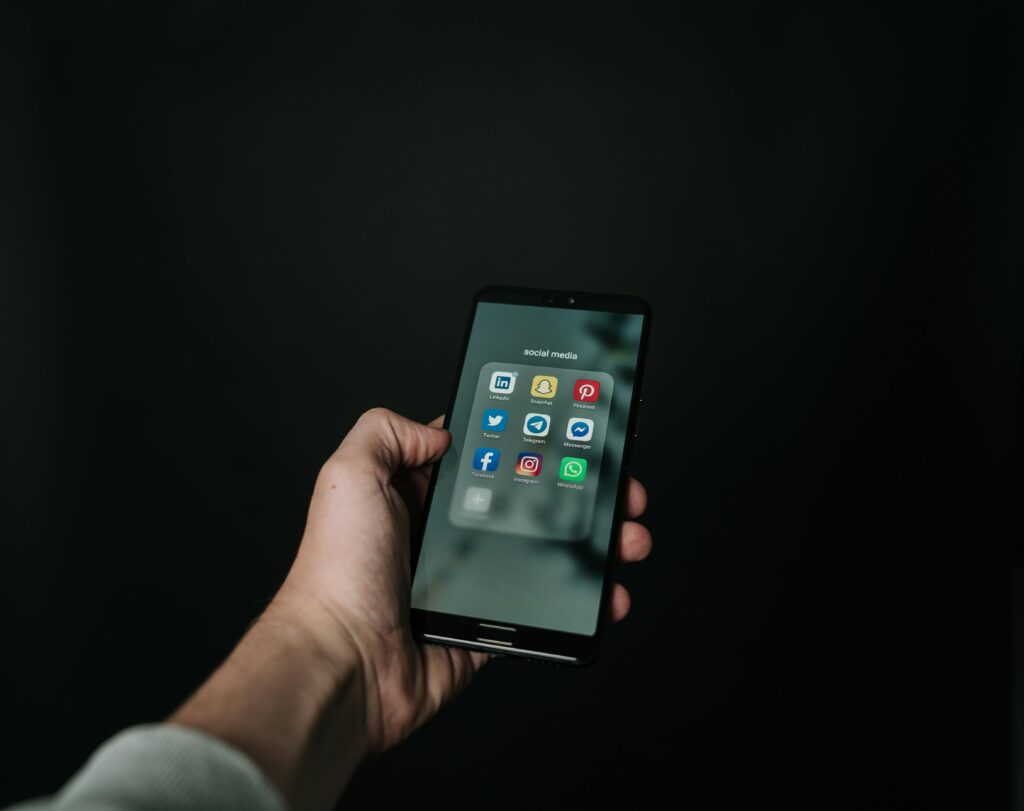
One of the most common misconceptions we see in our work with creators, despite the fact that it’s been a topic of creator economy discussion for some time now, is the belief that a following equals ownership.
Unfortunately, it does not.
On most major platforms, creators do not actually “own” their audiences. Platforms do.
Creators may have spent years building a following. They may know their fans intimately. They may even rely on that audience for their livelihood. But legally speaking, in most cases, their relationship with their audience is mediated and controlled by the platform.
This legal reality becomes painfully clear the moment something goes wrong.
Platforms Control Access, Not Creators
When a creator builds an audience on platforms like YouTube, TikTok, Twitch, Instagram, or similar services, the platform controls the account, the distribution, and the access. If an account is suspended, demonetized, or terminated, the creator’s ability to reach their audience can disappear in an instant.
We see this most often in the context of copyright enforcement. Multiple copyright strikes, even when disputed, can result in account termination. While the DMCA takedown and counter-notification process exists (and you can learn more about it in our previous blog post here) and while creators may have legal remedies if the platform gets the takedown process wrong, those remedies can require costly litigation and do not change the immediate practical outcome: once the account is deactivated, so are its followers.
From a legal perspective, this is often less a failure of fairness than it is a function of the creator’s contract with the platform (more on that below.)
Platform Dependence Means Being Beholden to the Terms of Service
The reality of platform control leads to an important point that may seem obvious but is often overlooked entirely by many creators: Most platform terms of service are enforceable contracts.
Courts regularly enforce platform terms when the platform can show proper user assent. This generally requires notice of the terms, reasonably conspicuous presentation of the terms, and some affirmative action signaling the creator’s agreement to the terms. Most major platforms have invested heavily in getting this right through click-through agreements and mandatory acceptance of updated terms.
Once valid assent exists, the terms are generally enforceable as written. This means that (unless an opt-out is built into the terms), creators do not get to opt out of provisions they dislike while continuing to rely on the platform’s infrastructure, distribution and monetization tools.
Why This Matters for AI
This contractual reality becomes especially significant in the context of AI. We mention this point in particular because it’s been a big topic of discussion with several creator clients in the last year.
If a platform updates its terms of service and obtains enforceable consent to provisions allowing it to train its own AI models on user content, those provisions are generally permissible under U.S. contract law—assuming the provisions are not otherwise unlawful or unconscionable. The same is true for provisions that authorize certain third-party AI uses when proper disclosure is provided and consent received. Whether those terms are creator-friendly is a separate question. Legally, however, the platform’s rights flow from the agreement (i.e., the terms of service).
YouTube provides a useful example. Under its terms, creators grant YouTube and its parent company, Google, a broad license to use uploaded content to operate, improve, and develop its services. That license is what allows YouTube to use creator content for internal purposes, including training and improving its own AI and machine learning models. In fact, Google has publicly confirmed that it has used at least some YouTube videos to train models such as Gemini and Veo.
The key takeaway is this: If a creator is dependent on a platform for their livelihood, they may be required to consent to terms they would not otherwise choose in order to maintain access to their audience and their income. The same holds true for changes to the platform’s policies, features and enforcement practices.
Regulatory Shifts and Platform Dissolution Risk
Beyond enforcement actions and contractual terms, creators also face a broader category of risk: platform-level disruption driven by technical issues, regulation, bans, or outright dissolution.
A vivid example emerged in early 2025, when TikTok temporarily suspended service in the United States in anticipation of a federal ban deadline. That deadline was repeatedly extended while negotiations continued, until a deal establishing a U.S.-controlled TikTok entity was finalized last month. During the brief suspension period, many creators, particularly those who were solely or heavily reliant on TikTok, confronted the very real prospect of losing their primary source of income overnight. Even short-term outages can weaken audience relationships, disrupt brand partnerships, and damage visibility and revenue.
More broadly, regulatory pressure on social media platforms is increasing worldwide. Australia has enacted a ban on social media access for children under 16, and multiple U.S. states have recently adopted social media regulations focused on youth safety, data practices, and algorithmic transparency. While the full impact of these measures is still unfolding, they are likely to constrain platform audiences, especially for creators whose content skews younger or depends heavily on youth engagement.
Critically, policy shifts, regulatory compliance decisions, or geopolitical pressures can restrict or eliminate access to entire audiences without regard to individual creator conduct. This risk exists even where a creator has fully complied with platform rules and applicable law.
Ownership Structure Does Not Erase Value
All of the unsavory points above aside, the size, engagement, and loyalty of an audience still have real economic value. Follower counts, engagement rates, subscriber numbers, and revenue history are routinely central to creator valuations. This is true in sponsorship negotiations, acquisitions, and asset sales.
When creators sell their channel or business, audience metrics are a core component of the valuation. In these contexts, what a creator is selling is not ownership of the fans themselves, but their content’s demonstrated ability to attract, retain, and monetize attention within a given ecosystem. In other words, the audience ownership distinction matters legally and from a risk perspective, but it does not erase the commercial value of the business that the creator has built.
Strategies for Reducing the Risks of Platform Dependence
So now that we’ve discussed some of the risks of platform dependence, what are some of the strategies that creators can employ to mitigate them?
Some practical ways that we see creators successfully building more direct control over their audiences include:
Email newsletters
Email remains one of the few channels creators truly control. If creators can reach fans directly in their inbox, they are no longer dependent on an algorithm or account status to maintain that relationship.
Owned websites
A personal or brand website provides a stable home base for content, announcements, and links to all of a creator’s platforms.
Private communities
Discord servers and private communities can provide redundancy and deeper fan engagement, especially when paired with clear rules and moderation. But note that Discord also has its own terms of service.
Cross platform audience migration
Similarly, active encouragement of followers to connect with the creator and their content in multiple places reduces the risk that one channel goes under or severs the relationship entirely.
These strategies do not eliminate platform risk entirely, but they reduce the likelihood that a single enforcement action, policy change or platform dissolution will sever the creator’s relationship with their audience entirely.
In summary
Platforms own the infrastructure, set the rules, and control access to the audiences within their ecosystems. At the same time, external forces beyond the control of both the creator and the platform, such as regulatory changes or outright bans, can limit or even eliminate a creator’s access to their audience on a given platform. Creators who understand this legal landscape are better positioned to make decisions about risk, content strategy, and long term sustainability. And the creators who thrive over the long term are almost always the ones who build audiences that can survive beyond any single platform.
If a creator wants help evaluating platform terms, DMCA takedown notices or counternotices, AI licensing provisions, social media regulations, off-platform audience strategies, or any other creator-related legal issues we can help.
View all posts by this author